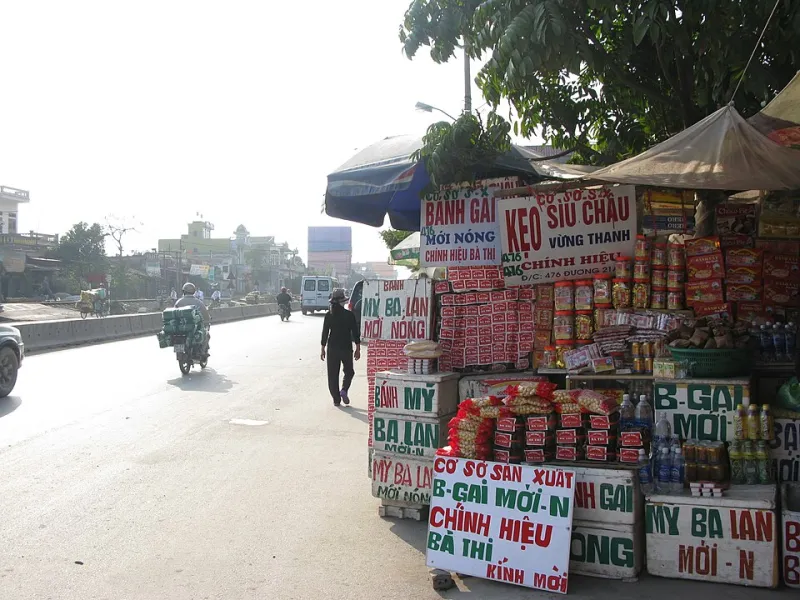
Glow Up Without the Markup: How V-Beauty Is Quietly Taking On K-Beauty at the Drugstore

Photo by Photo by Arteida MjESHTRI on Unsplash on Unsplash
If you've spent any time in a Vietnamese household, you already know the skincare secrets hiding in the kitchen. Grandma's turmeric face mask. The rice water rinse that left everyone's hair impossibly shiny. That little jar of snail cream your auntie swore by before snail mucin became a TikTok sensation. Vietnamese beauty — or V-Beauty, as it's starting to get called — has been doing the work for generations. The difference now? American consumers are finally paying attention.
And honestly, it's about time.
K-Beauty Had a Head Start, But V-Beauty Is Catching Up Fast
Korean beauty brands cracked the US market wide open over the past decade. Sheet masks, glass skin routines, 10-step regimens — K-Beauty built an entire cultural moment around skincare as self-care. Brands like COSRX, Innisfree, and Laneige became household names at Sephora and Ulta, and the prices followed suit. A single COSRX snail mucin serum runs around $25 to $35 depending on where you shop. A decent Innisfree moisturizer? Easily $30 and up.
Vietnamese beauty brands are entering that same conversation but with a different pitch: comparable (and in some cases, superior) formulations at a fraction of the price. Brands like L'Anh, Thorakao, and Xmen have been staples in Vietnam for decades. In the US, they're gaining traction through specialty retailers, Vietnamese supermarkets, and increasingly, through Amazon and Walmart's online marketplace.
The ingredients overlap more than you'd think. Snail mucin, centella asiatica, rice bran extract, and turmeric are all deeply embedded in both Korean and Vietnamese beauty traditions. The difference is often in the sourcing, the concentration, and yes — the branding budget.
Breaking Down the Ingredients: What Vietnamese Skincare Actually Brings to the Table
Let's talk specifics, because the ingredients in V-Beauty products aren't just trendy buzzwords — they're rooted in centuries of use.
Turmeric (Nghệ): This one's been in Vietnamese skincare forever. Turmeric contains curcumin, a compound with documented anti-inflammatory and brightening properties. Vietnamese brands like Thorakao have been formulating turmeric soap and cream for mass retail since the 1970s. You can find Thorakao turmeric products online for under $5. Compare that to Western wellness brands charging $30+ for a turmeric-infused face oil, and the value proposition becomes obvious fast.
Rice Bran: Rice water rinses are practically a Vietnamese beauty ritual. Rice bran extract, packed with vitamins B and E, shows up in everything from toners to body lotions in V-Beauty lines. Cỏ Mềm Herbals, a newer brand with a growing US following, leans heavily into rice-based formulations at price points that sit comfortably between drugstore and mid-range.
Snail Mucin: Yes, Vietnam has its own snail game. While COSRX gets the headlines, Vietnamese brands have been incorporating snail secretion into moisturizers and serums for years. The concentration and formulation vary, but the price difference can be dramatic — sometimes 40 to 60 percent less for a comparable product.
Centella Asiatica (Rau Má): This is a big one. Rau má is practically a Vietnamese staple — it shows up in drinks, traditional medicine, and skincare. Centella has serious clinical backing for wound healing and skin barrier repair. K-Beauty brands have built entire product lines around it. Vietnamese brands that use locally sourced rau má are often working with fresher, more traceable supply chains.
Where to Actually Find V-Beauty Products in the US
This is where it gets practical. V-Beauty availability in the US is improving, but it's still more scattered than K-Beauty's retail presence.
Amazon: Thorakao, L'Anh, and several other Vietnamese brands have official or gray-market listings on Amazon. Pricing is generally reasonable, but watch out for third-party sellers inflating prices on imported goods. Check the seller's storefront and look for fulfilled-by-Amazon options where possible.
Walmart Online Marketplace: A handful of Vietnamese beauty brands have started showing up here, particularly in the personal care category. Walmart's marketplace has opened up a lot in recent years, and some sellers are offering competitive deals on bulk orders.
Vietnamese Supermarkets and Beauty Supply Shops: If you're near a major metro area with a Vietnamese community — think Little Saigon in Orange County, Eden Center in Northern Virginia, or Bolsa Avenue in Houston — local beauty supply stores are often your best bet for fresh stock, wider selection, and staff who actually know the products.
Specialty Online Retailers: Sites like VietBeauty and a few Etsy shops run by Vietnamese American sellers are filling the gap for harder-to-find items. Prices vary, but you're often getting products that haven't been sitting in a warehouse for six months.
Price Comparison: V-Beauty vs. K-Beauty at a Glance
Here's a rough breakdown for common product categories:
- Brightening serum: K-Beauty average $28–$45 / V-Beauty average $8–$18
- Snail mucin moisturizer: K-Beauty average $22–$35 / V-Beauty average $6–$15
- Turmeric/brightening soap: K-Beauty average $12–$20 / V-Beauty average $3–$7
- Centella toner: K-Beauty average $18–$30 / V-Beauty average $7–$14
These aren't apples-to-apples comparisons — formulation strength, packaging quality, and brand positioning all factor in. But for budget-conscious shoppers who want effective skincare without paying a premium for aesthetics and marketing, the math on V-Beauty is hard to argue with.
The Catch: Why V-Beauty Hasn't Gone Mainstream Yet
Honest talk: V-Beauty has a packaging and marketing gap. Many Vietnamese brands that have been beloved in Vietnam for decades are still showing up in US markets with packaging that looks dated compared to the sleek minimalism of K-Beauty. That matters to American consumers who are accustomed to buying the experience as much as the product.
There's also a trust and verification issue. With K-Beauty, American consumers have years of reviews, influencer content, and dermatologist endorsements to lean on. V-Beauty is still building that credibility infrastructure in the US market.
But here's the flip side: that gap is closing. Younger Vietnamese American entrepreneurs are launching reformulated, US-market-ready versions of traditional V-Beauty products with modern branding. Some are getting traction on TikTok and Instagram. The community knows these products work — it's just a matter of getting the word out.
The Smart Shopper Takeaway
If you're already deep in a K-Beauty routine, you don't have to blow it up. But if you're looking to stretch your skincare budget without compromising on results, V-Beauty is absolutely worth exploring — especially for staple products like brightening soaps, moisturizers, and targeted treatments.
Start with the easy wins: Thorakao turmeric soap, a rice bran toner, or a centella-based moisturizer from a Vietnamese brand. Compare them side by side with your K-Beauty go-tos. You might be surprised how much glow you can get without the markup.
At Siêu Thị Vai Ký, we're all about finding the smartest path to quality products — and V-Beauty is one of the best-kept shopping secrets out there right now.