Why Does That Frozen Durian Cost $40? The Import Tax Math Nobody's Talking About
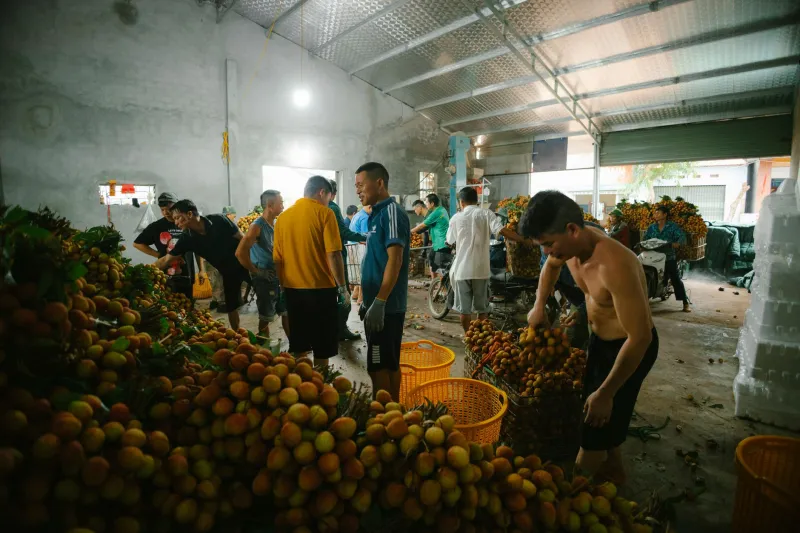
Walk into any Vietnamese or pan-Asian grocery store in Houston, San Jose, or Little Saigon and you'll find it: a vacuum-sealed bag of frozen durian, usually priced somewhere between $30 and $50 for a pound or two. Back in Vietnam, the same fruit — fresh, not frozen — runs you maybe $2 to $5 per kilogram depending on the season and the variety. So what exactly happens between the durian tree and your freezer that justifies a 5x, sometimes 10x markup?
Spoiler: it's not just the fruit.
The Tariff Starting Line
Before any specialty Vietnamese product even touches American soil, it has to clear US Customs. For agricultural goods like frozen fruit, the baseline import duty is relatively modest — often around 5 to 14 percent depending on the product classification. But durian doesn't travel alone in the paperwork sense. It needs phytosanitary certificates from the country of origin, USDA inspection clearance, and compliance with FDA food safety regulations. Each of those steps costs money, and importers pass every dollar of that cost downstream.
Then there's the matter of how products are classified. A "frozen durian" and a "prepared durian product" can land in completely different tariff categories with meaningfully different duty rates. Importers who don't classify carefully — or who are working with smaller volumes — often eat higher rates because they don't have the legal resources to optimize. That cost? It's in your $40 bag.
Cold Chain Is Where It Really Gets Expensive
Durian is notoriously fragile. It needs to be frozen at the right temperature almost immediately after processing, maintained throughout ocean freight (which takes weeks), and then kept cold through domestic distribution. That unbroken cold chain isn't cheap. Refrigerated container shipping from Southeast Asia to a US West Coast port can run two to three times the cost of standard dry freight. And once it arrives, domestic cold storage and refrigerated trucking add another layer.
For specialty items like frozen pandan leaf, taro paste, or pre-marinated proteins, the cold chain problem is the same. The smaller the import volume, the worse the per-unit economics. A major distributor shipping full containers can spread those costs across thousands of units. A smaller regional importer bringing in a few pallets? They're paying nearly the same logistics overhead on a fraction of the product. You're subsidizing their shipping bill every time you grab that bag off the shelf.
Specialty Candies and Spice Blends: A Different Kind of Pain
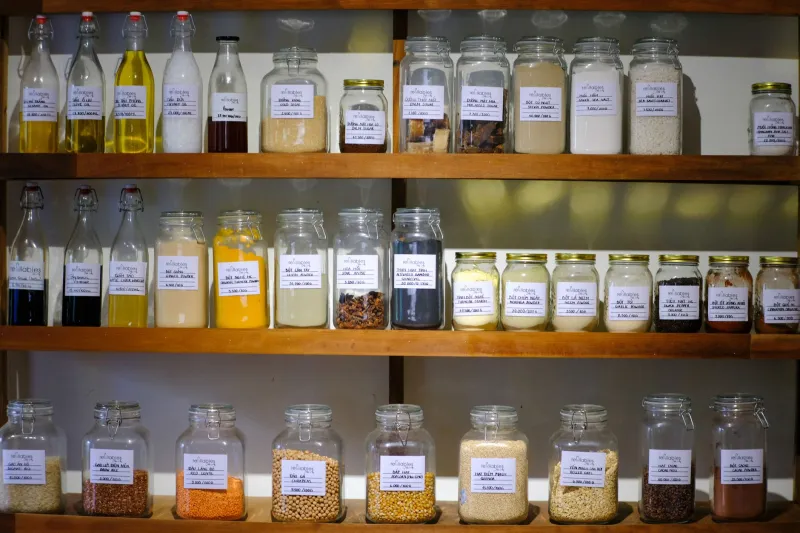
Frozen goods at least have a clear logistical reason for their markup. Shelf-stable products like regional Vietnamese candies — think mứt gừng, ô mai, kẹo dừa — or specialty spice blends from specific provinces should theoretically be cheaper to import. And in terms of shipping, they are. But they face a different problem: small market size.
These products don't move fast enough in the US to justify large-scale importation. So distributors often bring them in as part of mixed container loads, which means higher per-unit freight allocation. Retail margins on specialty ethnic foods also tend to run higher than mainstream grocery because store owners know they're serving a captive audience. If you want authentic Hội An chili salt and there are only two stores in your city that carry it, the seller has pricing power.
Import regulations add another wrinkle for processed foods. Anything with a label needs to comply with FDA nutrition labeling requirements — which means either the Vietnamese manufacturer produces US-market-specific packaging (expensive) or the importer applies sticker overlays (also costs money and time). Some products simply don't make the jump at all because the compliance cost isn't worth it for the sales volume.
The Products That Take the Biggest Hit
Not all specialty imports suffer equally. Based on the markup math, here's a rough ranking of what gets hit hardest:
Frozen durian and frozen jackfruit — Cold chain plus agricultural inspection makes these among the most marked-up items per pound. Expect to pay 5x to 8x Vietnamese retail pricing.
Fresh-style Vietnamese sausages (chả lụa, nem chua) — These fall into a particularly complicated FDA category. Some require specific processing certifications to import, and many of the best regional varieties simply never make it here legally. What you find in US stores is often domestically produced — which is a whole different product.
Province-specific spice blends and fermented pastes — Small batch, limited distribution, high compliance overhead. Mắm ruốc from Huế or specialty bún bò spice kits from small producers can carry 4x to 6x markups.
Specialty sweets and regional confections — Lower but still significant markups, mostly driven by small volumes and retailer margin expectations.
Where Savvy Shoppers Find Better Deals
Here's the honest answer: for some products, the US market simply isn't the right place to buy them. If you're visiting Vietnam, loading up a suitcase with vacuum-sealed spice blends and shelf-stable sweets is completely legal within personal-use customs limits and will save you real money.
For stateside options, a few strategies work:
Ethnic grocery co-ops and community bulk orders — More on this in a separate piece, but informal buying groups within Vietnamese American communities sometimes coordinate direct orders from importers, cutting out the retail layer entirely.
Online specialty retailers with higher turnover — Stores that move more volume can afford lower margins. Larger Vietnamese-focused online retailers often beat local specialty stores on price for exactly this reason.
Domestically produced alternatives — For items like chả lụa or some fermented products, Vietnamese American producers in California, Texas, and Virginia are making excellent versions that skip the import markup entirely. Quality varies, but the best domestic producers are legitimately good.
The Bottom Line
That $40 bag of frozen durian isn't a scam — it's the honest result of a long, expensive, regulation-heavy supply chain moving a perishable tropical fruit from Southeast Asia to your freezer in the middle of a US suburb. Understanding where the money goes doesn't make it cheaper, but it does help you decide what's worth splurging on and what you should either skip, substitute, or stock up on during your next trip back.
At Siêu Thị Vai Ký, we're not here to tell you what to buy. We're here to make sure you know exactly what you're paying for when you do.